 111
111 2
2 3
3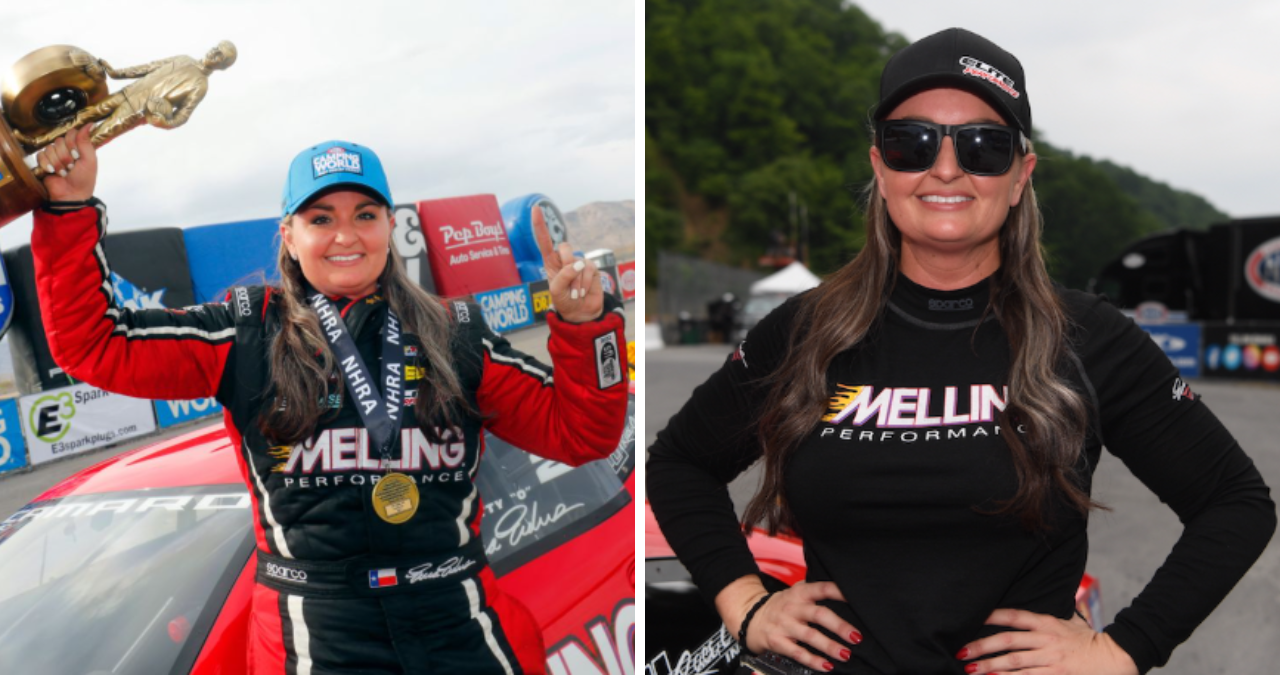
When people talk about modern drag racing legends, one name consistently stands out above the rest: Erica Enders. Her rise from a determined young racer in Texas to one of the most dominant figures in NHRA Pro Stock history represents far more than athletic success. It is a story of persistence, skill, confidence, sacrifice, and a relentless refusal to back down in one of motorsports’ most competitive environments.
Across the years, fans have watched her redefine expectations inside the National Hot Rod Association. She did not simply participate in a male-dominated sport; she became one of its most successful competitors. Championships, race wins, sponsorship milestones, and unforgettable moments have all shaped her legacy. Beyond the trophies, though, her influence has inspired a new generation of racers who now see professional drag racing as a place where talent matters more than stereotypes.
The impact of Erica Enders reaches beyond racing statistics. Her personality, work ethic, and emotional honesty have connected with fans who admire athletes willing to show both strength and vulnerability. Whether she is standing in the winner’s circle, working closely with her crew, or speaking openly about the challenges of competition, she brings authenticity to every stage of her career.
As NHRA continues evolving, her name remains central to conversations about greatness, consistency, and competitive excellence. Few racers in the history of drag racing have maintained such a high level of performance for so many years while continuing to adapt to changing technologies, rules, and rivalries. That combination of longevity and dominance has cemented her status as one of the defining athletes in motorsports.
Born in Houston, Texas, Erica grew up in an environment where racing quickly became more than a hobby. Her family supported her interest in motorsports from an early age, helping nurture the competitive spirit that would eventually lead her to national prominence. Unlike many future professional athletes who discover their sport during teenage years, she was introduced to drag racing while still a child.
The atmosphere of local racetracks left a powerful impression on her. The sounds of engines, the smell of burning rubber, and the adrenaline of head-to-head competition created a connection that would define her future. She became deeply interested in every technical aspect of racing, not just driving. Understanding mechanics, tuning, and vehicle setup became part of her education long before she entered professional competition.
Her younger sister, Courtney Enders, also became involved in drag racing, creating a highly competitive but supportive family dynamic. Together, they developed reputations as talented young racers capable of outperforming older competitors. That early exposure to pressure and competition helped prepare Erica for the intense demands of professional NHRA racing later in life.
Even during those formative years, her determination stood out. Coaches, fellow racers, and family members often noticed how seriously she approached competition. While many young racers treated events casually, she analyzed performance details obsessively and constantly searched for improvement. That mindset eventually became one of her greatest strengths.
The racing world began paying attention to her achievements in junior dragster competitions. Winning races at a young age demonstrated not only natural talent but also emotional control under pressure. These early victories built confidence and created momentum that carried into higher levels of competition.
The transition from junior racing to professional motorsports is difficult for almost every driver. Competition becomes faster, sponsorship demands increase, and expectations intensify. For Erica, those challenges were magnified because women in professional drag racing still faced significant skepticism during the early years of her career.
Despite the obstacles, she refused to let criticism define her. Instead, she focused on performance. Her ability to remain calm during high-pressure eliminations became one of her trademarks. Experienced competitors quickly realized she was not participating for publicity or novelty value. She was racing to win.
Early professional seasons involved numerous setbacks. Mechanical failures, funding struggles, inconsistent team performance, and difficult race weekends tested her resilience repeatedly. Many talented racers disappear from professional motorsports because of those challenges, but Erica continued pushing forward with remarkable persistence.
One of the defining moments of her early career came through increased national exposure in television coverage and motorsports media. Fans became fascinated not only by her driving ability but also by her competitive personality. She carried herself with confidence while maintaining respect for the sport’s traditions and veterans.
At a time when female racers were often treated as secondary storylines in motorsports coverage, she forced the racing community to recognize her purely as an elite competitor. Wins mattered more than narratives, and she steadily built credibility through results on the track.
Her early years also taught valuable lessons about teamwork. Drag racing success depends heavily on communication between driver and crew. Learning how to collaborate effectively with crew chiefs, mechanics, engineers, and sponsors became essential to her long-term growth. Those experiences later helped create championship-level consistency.
The moment Erica Enders truly emerged as a dominant NHRA force came when she began consistently winning Pro Stock events against some of the toughest competition in drag racing history. Winning once can happen through timing or luck. Winning repeatedly against elite opponents requires extraordinary preparation and execution.
As her confidence grew, so did her results. Fans started recognizing patterns in her racing style: quick reaction times, composure under pressure, and exceptional consistency. She developed a reputation for thriving during critical elimination rounds where small mistakes often determine outcomes.
One of the most important elements of her rise involved mental toughness. Professional drag racing creates immense psychological pressure because races are decided in seconds. Drivers must perform perfectly while knowing the slightest error can end an entire weekend. Erica demonstrated an unusual ability to stay emotionally balanced regardless of circumstances.
Her success also represented a cultural shift within NHRA. Younger fans increasingly viewed women racers differently because of what she accomplished. Instead of discussing whether female drivers could compete equally, conversations shifted toward championships, records, and race strategy.
During interviews, she frequently emphasized preparation and discipline over hype. That professional approach earned respect throughout the racing community. Competitors who initially underestimated her eventually acknowledged her skill level openly.
One quote often associated with her mindset captures the essence of her competitive mentality:
“I didn’t come here to be average. I came here to win.”
That attitude shaped every phase of her development and eventually transformed her into one of the most feared racers in Pro Stock competition.
Championship seasons separate good racers from truly historic competitors. Winning a title requires consistency across an entire year rather than isolated moments of success. Erica proved repeatedly that she could maintain elite performance over long, demanding NHRA campaigns.
Her first championship victory carried enormous emotional significance. Years of sacrifices, disappointments, and near misses finally resulted in the ultimate reward. Fans and analysts recognized immediately that the achievement represented a milestone not only for her personally but also for women across motorsports.
After capturing her first title, expectations increased dramatically. Many athletes struggle after reaching the top because pressure intensifies and opponents become even more motivated. Instead of declining, Erica elevated her performance further.
Subsequent championship runs showcased her evolution as both a driver and leader. She learned how to manage momentum, recover from poor weekends, and maximize points during difficult stretches of the season. Those qualities distinguished her from less experienced competitors.
Another remarkable aspect of her championship success involved adaptability. NHRA racing constantly changes because of evolving technologies, rule adjustments, and competitive trends. Drivers who fail to adapt often disappear quickly. Erica consistently adjusted her approach while maintaining winning results.
Her title victories also demonstrated extraordinary physical and emotional endurance. Long travel schedules, sponsor commitments, media responsibilities, and intense competition create exhausting conditions. Maintaining focus across an entire NHRA season requires exceptional discipline.
The following table highlights some major milestones from her professional racing career.
| Achievement | Details |
|---|---|
| NHRA Pro Stock Championships | Multiple world titles |
| Professional Race Wins | More than 40 national event victories |
| Historic Milestone | First woman to win NHRA Pro Stock championship |
| Hometown | Houston, Texas |
| Racing Category | NHRA Pro Stock |
| Known Strengths | Reaction time, consistency, mental toughness |
| Media Recognition | Featured in documentaries and motorsports coverage |
| Influence | Major inspiration for women in motorsports |
These accomplishments only tell part of the story. Statistics matter, but her influence on racing culture has been equally significant.
Casual fans sometimes underestimate how technical professional drag racing truly is. Driving a Pro Stock car involves much more than accelerating in a straight line. Every launch demands precise timing, rapid decision-making, and deep trust between driver and machine.
Erica Enders developed an exceptional understanding of vehicle behavior. She became known for her ability to interpret subtle changes in traction, engine response, and track conditions. That feedback helped crews make critical adjustments throughout race weekends.
Reaction time represents one of the most important skills in drag racing. Races are frequently decided by thousandths of a second. Erica consistently ranks among the best in the sport at leaving the starting line quickly and accurately. That ability has played a major role in many of her victories.
Track conditions also change constantly depending on temperature, humidity, and surface preparation. Successful drivers must adapt immediately. Her experience and technical awareness allow her to remain competitive under varying conditions that frustrate less adaptable racers.
Communication with crew chiefs is another critical element. Championship-level teams depend on honest, precise feedback from drivers. Erica’s detailed understanding of performance dynamics has strengthened her relationships with crews throughout her career.
One respected NHRA observer once described her approach this way:
“She races with intensity, but she thinks like an engineer.”
That combination of aggression and analytical thinking has become central to her success.
No elite athlete reaches greatness without facing adversity, and Erica’s journey has included numerous difficult moments. Sponsorship uncertainty, mechanical failures, team changes, injuries within the racing community, and public pressure have all created obstacles along the way.
One major challenge involved proving herself repeatedly in an environment where skepticism sometimes overshadowed accomplishments. Even after major victories, she occasionally encountered criticism rooted more in outdated assumptions than actual racing performance.
Instead of reacting emotionally, she used doubt as motivation. That resilience became one of the defining characteristics of her career. Every setback seemed to strengthen her determination rather than weaken it.
Financial pressure also remains a constant reality in motorsports. Maintaining competitive equipment and funding professional racing operations requires enormous resources. Like many racers, she experienced periods where sponsorship support became uncertain. Navigating those challenges required professionalism and persistence.
There were also moments when performance declined temporarily because of team transitions or technical difficulties. In professional racing, even small disruptions can affect results dramatically. Erica consistently found ways to recover and rebuild momentum after difficult stretches.
Fans admire her honesty regarding frustration and disappointment. Unlike athletes who hide emotion behind rehearsed responses, she often speaks openly about the mental toll of competition. That transparency has helped create a deeper connection with supporters.
Her ability to rebound from adversity ultimately strengthened her legacy. Championships are impressive, but resilience often defines how athletes are remembered.
The influence of Erica Enders on women in motorsports cannot be overstated. Long before diversity conversations became common across sports media, she was proving through performance that elite racing talent has nothing to do with gender.
Young female racers now enter drag racing with role models who have already broken major barriers. Seeing a woman dominate NHRA Pro Stock competition changed perceptions throughout the racing community. It created opportunities and confidence for future generations.
Importantly, Erica never positioned herself solely as a symbolic figure. She focused relentlessly on competition and results. That approach made her impact even stronger because her success felt earned through undeniable performance.
Motorsports have historically presented unique challenges for women because of stereotypes surrounding physical ability, technical knowledge, and competitiveness. Erica shattered those assumptions repeatedly through championships and race victories.
Her visibility also encouraged sponsors and teams to invest more seriously in female talent. When athletes achieve consistent success at the highest levels, business perspectives often shift quickly. She helped demonstrate that women racers could attract fans, deliver results, and represent brands successfully.
Many younger competitors now mention her as a direct inspiration. Some describe watching her races during childhood and realizing professional racing careers were genuinely possible for women. That kind of influence extends far beyond trophies.
Her legacy continues growing because it combines competitive greatness with cultural significance. Very few athletes manage to change both their sport and broader public perception simultaneously.
As Erica’s career expanded, so did public interest in her story. Television networks, motorsports journalists, and documentary producers recognized the compelling nature of her rise through professional drag racing.
One major boost in visibility came from the Disney Channel movie Right on Track, inspired by the early racing experiences of Erica and Courtney Enders. Although dramatized for entertainment purposes, the film introduced many younger viewers to drag racing and helped expand her fan base.
Media attention can create additional pressure for athletes, especially in individual sports where personal performance receives constant scrutiny. Erica handled growing visibility with professionalism while remaining intensely focused on racing.
Her interviews often stand out because of their honesty and emotional authenticity. She celebrates victories passionately and acknowledges disappointment openly. Fans appreciate that balance because it feels genuine rather than scripted.
Social media also transformed athlete-fan relationships throughout her career. Platforms like Instagram and Twitter allowed supporters to connect more directly with racers. Erica used those platforms to share behind-the-scenes moments, training insights, and personal reflections from life on the NHRA circuit.
Recognition from fellow racers has perhaps been even more meaningful than mainstream publicity. In motorsports, respect from competitors must be earned through performance. Over time, she became widely acknowledged as one of the toughest racers in the sport regardless of category or gender.
Industry recognition has included awards, sponsorship deals, feature stories, and appearances at major motorsports events. Yet despite increasing fame, she has largely maintained the same competitive mentality that defined her earliest racing years.
Great athletes are often shaped by rivalries, and Erica Enders has competed against some of the best drivers in NHRA history. Those battles helped elevate both her performance and the sport’s overall popularity.
Rivalries create emotional intensity because competitors become deeply familiar with each other’s strengths, weaknesses, and tendencies. In Pro Stock racing, where margins are incredibly small, those psychological elements matter significantly.
Facing elite opponents consistently forced Erica to improve. Every season brought new challenges from talented drivers determined to stop her championship momentum. Instead of avoiding pressure, she embraced it.
Fans particularly enjoy races where emotional stakes feel high. Erica’s competitive fire often produced memorable moments during elimination rounds against longtime rivals. Intense but respectful competition became a hallmark of many NHRA events.
One fascinating aspect of drag racing rivalries involves the balance between aggression and mutual respect. Drivers compete fiercely on the track while understanding the risks and dedication required to reach elite levels. Erica has consistently demonstrated respect for competitors even during emotionally charged seasons.
These rivalries also contributed to the broader popularity of NHRA racing. Storylines involving championship battles, close finishes, and recurring head-to-head matchups created excitement for fans and media coverage alike.
Ultimately, competing against strong rivals strengthened her legacy because championships become more meaningful when earned against elite opposition.
While racing remains central to her identity, Erica Enders also has a life beyond competition. Fans often appreciate learning about the personal side of athletes because it humanizes public figures who otherwise seem larger than life.
Marriage, family relationships, friendships, and everyday interests all help balance the intense pressures of professional racing. Maintaining personal stability becomes especially important during demanding seasons filled with travel and competition stress.
Erica has often spoken about the importance of supportive relationships throughout her career. Racing can be emotionally exhausting, and trusted people outside the sport help provide perspective during difficult moments.
She also values loyalty and teamwork deeply, qualities reflected both professionally and personally. People who work closely with her frequently describe her as driven, competitive, and intensely committed, but also caring and genuine away from the racetrack.
Fans appreciate that she remains approachable despite her accomplishments. Whether interacting with supporters during events or sharing personal insights online, she generally comes across as authentic rather than distant.
Like many professional athletes, she also understands the importance of maintaining mental focus and emotional resilience. Balancing public expectations with private life requires maturity and self-awareness.
Her off-track personality has helped broaden her appeal beyond hardcore racing audiences. People who may not follow NHRA closely still connect with her story because it reflects universal themes like perseverance, ambition, and resilience.
Professional motorsports depend heavily on sponsorship relationships, and Erica Enders has navigated that business environment successfully throughout her career. Sponsorships fund equipment, travel, staffing, research, and countless operational expenses necessary for competitive racing.
Securing strong partnerships requires more than driving ability alone. Sponsors look for professionalism, marketability, consistency, and public image. Erica’s reputation as a hardworking, disciplined competitor has made her an attractive representative for numerous brands.
Long-term sponsor relationships often indicate trust and reliability. Companies want athletes who perform consistently while representing organizations positively in public settings. Erica’s professionalism has helped maintain valuable partnerships across different stages of her career.
The business side of racing also involves constant networking, media appearances, and promotional responsibilities. Balancing those obligations with competitive preparation can be challenging. Successful drivers learn how to manage both effectively.
Sponsorship success also reflects broader changes within motorsports culture. Companies increasingly recognize the commercial value of supporting diverse athletes with strong fan engagement and compelling personal stories.
Erica’s visibility helped demonstrate that women drivers could generate significant marketing impact while delivering elite competitive results. That shift benefited not only her own career but also future female racers seeking sponsorship opportunities.
Today, sponsorship relationships remain essential to sustaining championship-level performance in NHRA competition. Her ability to maintain those partnerships reflects both competitive excellence and business professionalism.
Every legendary athlete has moments that define public perception, and Erica Enders has delivered many unforgettable performances throughout her career. Some races stand out because of championship implications, while others became memorable because of emotional intensity or dramatic finishes.
Certain victories showcased her ability to perform under enormous pressure. Late-season elimination rounds, must-win situations, and razor-thin finishes often revealed her strongest qualities as a competitor.
Fans frequently recall races where she defeated multiple elite opponents consecutively during championship runs. Those performances reinforced her reputation for thriving when stakes were highest.
Another defining characteristic of her career involves emotional authenticity after major wins. She often celebrates passionately because victories represent years of effort rather than isolated moments. Fans connect strongly with those genuine reactions.
There have also been painful moments involving narrow losses and mechanical failures. In drag racing, heartbreak can happen instantly. Erica’s willingness to confront disappointment openly has added emotional depth to her public image.
One particularly respected quality involves her refusal to blame others unnecessarily after setbacks. While competitive frustration occasionally surfaces, she generally focuses on accountability and improvement rather than excuses.
Over time, these memorable moments collectively shaped one of the most compelling careers in NHRA history.
Elite racing success depends heavily on preparation. Contrary to common assumptions, professional drag racing requires significant physical conditioning and mental discipline. Erica Enders approaches competition with the seriousness of athletes in more widely recognized sports.
Reaction time training plays a major role in performance preparation. Improving launch consistency requires intense focus and repetition. Small improvements measured in thousandths of a second can determine race outcomes.
Physical fitness also matters more than many casual observers realize. Drivers experience substantial forces during launches and must maintain concentration under physically demanding conditions. Endurance, coordination, and reaction speed all contribute to success.
Mental preparation may be even more important. Professional racing creates constant pressure because every elimination round carries consequences for points standings, sponsorship visibility, and team morale. Erica has developed strong emotional control over years of competition.
Studying track conditions, reviewing performance data, and communicating with engineers all form part of race preparation. Successful drivers treat every detail seriously because small advantages accumulate over time.
Discipline extends beyond race weekends as well. Travel schedules, sponsor commitments, media interviews, and public appearances create demanding lifestyles. Maintaining focus amid those distractions requires maturity and organization.
Her preparation habits reflect a broader philosophy centered on professionalism and continuous improvement. Even after achieving championships, she continues searching for ways to become better.
The NHRA landscape has changed significantly throughout Erica’s career, and her ability to evolve alongside the sport represents one of her greatest achievements.
Technological advancements transformed vehicle performance, data analysis, and tuning strategies. Teams increasingly rely on sophisticated engineering approaches to maximize competitive advantages. Drivers must understand these changes deeply to remain effective.
Competition has also intensified over time. Younger racers enter professional ranks with advanced training, strong sponsorship backing, and extensive technical support. Maintaining championship-level consistency against evolving talent pools requires exceptional adaptability.
Media coverage changed dramatically as digital platforms expanded. Drivers now engage with fans constantly through social media and online content creation. Erica adapted effectively to those shifts while maintaining focus on racing itself.
The cultural environment surrounding motorsports evolved as well. Diversity and representation became more prominent topics across sports industries. Because of her accomplishments, Erica naturally became part of those conversations even while prioritizing competition over symbolism.
Safety improvements also influenced the sport significantly. NHRA continually updates regulations and equipment standards to protect drivers and crews. Experienced racers like Erica have witnessed major advancements in safety technology throughout their careers.
Her longevity within a constantly changing environment highlights both talent and adaptability. Few athletes remain dominant for extended periods in sports experiencing rapid evolution.
Athletic greatness alone does not always create lasting fan loyalty. People connect most strongly with athletes whose stories reflect resilience, authenticity, and emotional honesty. Erica Enders embodies many of those qualities.
Fans admire her because success never appeared easy or guaranteed. Her journey included setbacks, criticism, uncertainty, and intense competition. Watching her overcome those obstacles created emotional investment among supporters.
Another major factor involves authenticity. She rarely seems overly polished or rehearsed during interviews. Whether celebrating victories or discussing disappointment, her emotions feel real. That honesty resonates strongly with audiences tired of generic sports clichés.
Her underdog origins also contribute to fan appeal. Many supporters appreciate athletes who earn recognition gradually through hard work rather than instant hype. Erica built her reputation step by step over many years.
The family aspect of her story adds additional emotional depth. Racing alongside her sister during early years created compelling narratives about ambition, competition, and support within families pursuing shared dreams.
Fans also respect her toughness. Professional drag racing involves risk, pressure, and constant scrutiny. Erica consistently demonstrates courage and determination under difficult circumstances.
Perhaps most importantly, her story inspires people beyond motorsports. Even individuals unfamiliar with NHRA often connect with themes of perseverance, ambition, and breaking barriers through dedication and skill.
When historians discuss the greatest drag racers of all time, Erica Enders unquestionably belongs in the conversation. Championships, race wins, longevity, and influence collectively place her among the most important figures in NHRA history.
Her accomplishments transformed expectations within Pro Stock racing. Future generations will study her career not merely as a successful female racer but as one of the sport’s defining competitors overall.
Comparisons across eras in motorsports are always complicated because technologies and competitive environments change over time. Still, her consistency against elite modern competition remains extraordinary by any standard.
She also occupies a unique historical position because her achievements carried both competitive and cultural significance simultaneously. Very few athletes manage to reshape perceptions while dominating at the highest levels of their sport.
Her influence will likely continue expanding long after retirement because future racers already view her as a foundational figure within modern drag racing history.
One quote frequently repeated by longtime NHRA observers summarizes her legacy effectively:
“Champions win races. Icons change the sport forever.”
That distinction helps explain why her impact extends beyond statistics.
Legacy involves more than records or trophies. It reflects how athletes influence future generations, shape cultural perceptions, and inspire people through their actions. Erica Enders has already built a legacy that will endure for decades within motorsports history.
Young racers now enter drag racing believing greatness is achievable regardless of gender because they witnessed her success firsthand. That cultural shift alone represents an extraordinary contribution to the sport.
Her championships also elevated standards within NHRA competition. Dominant athletes force everyone around them to improve, and her consistency pushed rivals to become stronger competitors.
Fans will remember her not only for victories but also for emotional authenticity, resilience, and fierce competitive spirit. Those qualities created deeper connections than statistics alone ever could.
The racing community values competitors who combine talent with professionalism, and Erica consistently demonstrated both throughout her career. Teams, sponsors, media members, and fans widely respect her work ethic and dedication.
As motorsports continue evolving, future athletes will study her career as an example of what sustained excellence looks like in professional racing. Her story represents determination, courage, adaptability, and competitive greatness.
Whether measured through championships, influence, or inspiration, her place among drag racing legends is secure.
Erica Enders transformed professional drag racing through extraordinary talent, relentless determination, and historic competitive achievements. From her early years racing in Texas to becoming a multiple-time NHRA Pro Stock champion, she built one of the most impressive careers in motorsports history.
Her journey reflects much more than athletic success. It represents perseverance through adversity, confidence in the face of skepticism, and commitment to excellence over many years of intense competition. Fans admire her because she combines elite performance with authenticity and emotional honesty.
Throughout her career, Erica Enders consistently proved that greatness comes from preparation, discipline, resilience, and belief in one’s abilities. Her championships changed perceptions within motorsports while inspiring countless young racers to pursue ambitious goals without limitations.
As NHRA history continues unfolding, her name will remain synonymous with excellence, toughness, and transformation. Few athletes leave such a lasting impact on both their sport and the people who follow it. Erica Enders accomplished exactly that, securing her legacy as one of drag racing’s greatest champions and most influential figures.
Erica Enders is a professional NHRA drag racer best known for competing in the Pro Stock category. She is a multiple-time world champion and widely regarded as one of the greatest drivers in drag racing history.
Erica Enders has won multiple NHRA Pro Stock world championships during her career. Her championship success established her as one of the most dominant competitors in modern NHRA racing.
She became famous because of her outstanding success in NHRA Pro Stock racing, including becoming the first woman to win a championship in that category. Her consistent victories and elite driving ability earned widespread recognition.
Yes, the early racing lives of Erica and her sister Courtney inspired the Disney Channel movie Right on Track. The film introduced many viewers to junior drag racing and increased public awareness of their story.
Erica Enders helped change perceptions about women in motorsports by consistently defeating elite competitors and winning championships at the highest level of NHRA competition. Her success inspired many young female racers.
She races in NHRA Pro Stock, one of the most competitive classes in professional drag racing. The category is known for intense competition, highly specialized cars, and races decided by extremely small margins.
Erica Enders was born and raised in Houston, Texas. Her early experiences at local racetracks helped shape her passion for drag racing and eventually launched her professional career.