 111
111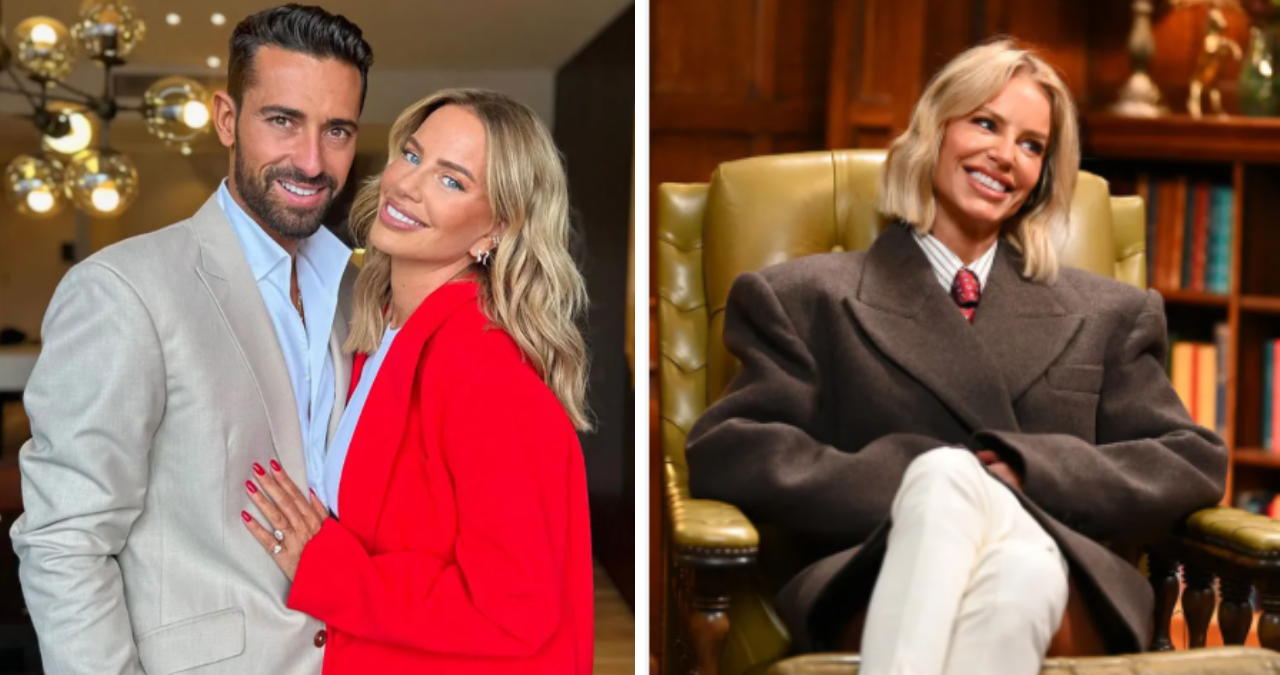 2
2 3
3When discussing influential personalities in luxury lifestyle media and reality television, few names stand out as strongly as Caroline Stanbury. Over the years, she has transformed herself from a respected fashion entrepreneur into an internationally recognized television personality with a loyal fan base spanning several continents. Her glamorous lifestyle, direct personality, business mindset, and high-profile relationships have made her one of the most talked-about women in modern reality television culture.
Her rise to fame did not happen overnight. Long before global audiences watched her on reality television, she was already building a reputation within elite fashion and luxury circles in London. Her ability to combine luxury branding with a relatable, outspoken personality helped her stand apart in an industry often criticized for being overly polished or inaccessible. Today, she represents a blend of celebrity culture, entrepreneurship, social influence, and personal reinvention.
The appeal of her story lies in its layers. She is not simply a television figure or social media personality. She is also a businesswoman who has navigated changing industries, personal transitions, public scrutiny, and evolving media trends while maintaining her relevance. Audiences are drawn to her because she combines confidence with vulnerability, glamour with honesty, and sophistication with humor.
Her influence extends far beyond entertainment. From luxury lifestyle branding and fashion commentary to modern relationships and wellness discussions, her presence continues to shape conversations online and offline. Fans admire the way she openly discusses personal growth, motherhood, marriage, aging, and business challenges while continuing to maintain a strong public image.
Growing up in an affluent British environment played a significant role in shaping the confident and socially aware personality audiences recognize today. Raised in a family with strong business and social connections, she became familiar with luxury culture and high society at an early age. Those experiences later became an important foundation for her career in fashion and media.
Her upbringing exposed her to prestigious social circles, private education, and international travel. These early experiences helped her develop a sophisticated understanding of branding, image, and social networking long before social media became dominant. The polished yet effortless style she became known for was deeply connected to the environment in which she was raised.
At the same time, her personality was never limited to privilege or appearance. Friends and colleagues often described her as sharp, ambitious, and outspoken. Those qualities later became defining characteristics of her television identity. Unlike many reality television personalities who carefully avoid controversy, she developed a reputation for honesty and direct communication.
A quote often associated with her public image reflects that confidence well:
“I would rather be honest and disliked than fake and admired.”
That attitude helped audiences connect with her on a deeper level. People appreciated that she rarely appeared overly scripted or artificial, especially within highly produced television environments.
Another important factor in her early development was exposure to business culture. Coming from a family connected to successful enterprises helped her understand the importance of networking, negotiation, and presentation. These skills became especially valuable during her entrepreneurial ventures later in life.
Before reality television turned her into an international celebrity, she had already established herself within the luxury fashion and gifting industry. Her business ventures demonstrated that she possessed more than social influence or personal style. She understood luxury consumers and knew how to create aspirational experiences.
One of her most recognized entrepreneurial achievements involved developing a luxury gifting company that catered to elite clients. The concept appealed to wealthy consumers seeking exclusive products and personalized services. At a time when luxury concierge culture was expanding rapidly, her business tapped into a growing market of affluent shoppers who valued uniqueness and convenience.
Her understanding of branding helped the company gain attention among celebrities, executives, and fashion insiders. Rather than focusing only on products, she emphasized experience and exclusivity. That strategy aligned perfectly with changing luxury consumer behavior during the late 2000s and early 2010s.
The fashion industry also appreciated her ability to combine classic British elegance with modern luxury trends. She became known for mixing timeless designer pieces with contemporary styling choices. This approach influenced many followers who wanted achievable sophistication rather than excessive extravagance.
The table below highlights some key areas connected to her professional identity over the years.
| Career Area | Main Focus | Public Impact |
|---|---|---|
| Fashion Entrepreneurship | Luxury gifting and personal styling | Established credibility in luxury markets |
| Reality Television | Lifestyle and personal storytelling | Expanded international fame |
| Social Media Influence | Fashion, wellness, travel, relationships | Built loyal global audience |
| Podcasting and Interviews | Honest discussions and lifestyle topics | Increased relatability |
| Brand Collaborations | Luxury and wellness partnerships | Strengthened commercial influence |
Her early business success also demonstrated an important aspect of her personality: adaptability. She entered industries that were rapidly evolving and managed to remain visible despite shifting consumer trends. This ability to evolve would later become crucial as she transitioned into entertainment.
Although she was already respected within elite fashion circles, mainstream fame arrived through reality television. Her breakthrough came when she appeared on a luxury-focused television series centered around affluent women living glamorous lifestyles. The show offered audiences a mix of wealth, friendship drama, business ambition, and social competition.
Viewers quickly noticed that she brought something different to the screen. While many reality personalities leaned heavily into emotional theatrics, she balanced sharp humor with confidence and composure. Her dry wit became one of her most recognizable traits.
Television producers understood that she had strong screen presence because she could generate attention without appearing overly performative. She seemed comfortable in front of cameras, which made audiences feel they were seeing an authentic version of her life rather than a manufactured character.
The success of the series dramatically expanded her public profile. Suddenly, she was no longer known only within luxury business circles. She became part of broader entertainment culture. Fans admired her fashion choices, relationship dynamics, parenting style, and outspoken opinions.
Reality television can often damage reputations if personalities appear dishonest or manipulative. In her case, the opposite happened. Her willingness to speak openly about friendships, conflicts, and personal challenges actually strengthened audience engagement. Many viewers felt that her bluntness made her more trustworthy than other television personalities.
Media commentators frequently noted that she understood the balance between glamour and relatability. She embraced luxury but also discussed stress, divorce, parenting pressures, and emotional vulnerability. That combination made her appealing to diverse audiences.
One of the most fascinating aspects of her career is the way she successfully reinvented herself multiple times. Many reality television personalities experience brief popularity before disappearing from public attention. She avoided that pattern by constantly adapting to changing media environments.
As social media platforms became more influential, she expanded her digital presence strategically. Instead of relying entirely on television appearances, she built direct relationships with followers through lifestyle content, fashion discussions, travel updates, and personal reflections.
This transition helped her maintain visibility even during periods when television projects changed or paused. Her online audience appreciated the more intimate and less edited perspective social media allowed. Followers saw glimpses of family life, fitness routines, beauty habits, vacations, and behind-the-scenes experiences.
She also embraced podcasting and interview-based media formats. These platforms gave her opportunities to speak more deeply about subjects often simplified on reality television. Topics such as relationships, confidence, aging, wellness, entrepreneurship, and motherhood became recurring themes.
An especially notable part of her reinvention involved geographic and cultural expansion. Moving into Middle Eastern luxury lifestyle circles introduced her to entirely new audiences. Her connection to Dubai became an important part of her evolving public identity.
The city’s emphasis on luxury living, fashion, hospitality, and international culture aligned naturally with her personal brand. Viewers were fascinated by the glamorous social environment, extravagant architecture, and elite lifestyle showcased through her experiences there.
This international dimension strengthened her celebrity status considerably. She evolved from being primarily a British social figure into a global lifestyle personality recognized across Europe, the Middle East, and North America.
Public fascination with her personal relationships has always been significant. Reality television audiences often become deeply invested in the romantic lives of personalities they follow, and her story generated constant attention from fans and media outlets alike.
Her marriage history, divorce, and later remarriage became major discussion topics online and within entertainment journalism. What made these conversations especially compelling was her openness regarding emotional struggles and personal transformation.
Rather than pretending relationships were perfect, she spoke candidly about difficulties, communication challenges, and emotional growth. Many viewers appreciated this honesty because it contrasted with the unrealistic perfection often promoted through celebrity culture.
Her relationship with Sergio Carrallo attracted widespread public attention due to their age difference, cultural backgrounds, and highly visible affection for each other. Some critics questioned the relationship initially, but fans often defended the couple by pointing to their obvious emotional connection and shared lifestyle ambitions.
The media fascination surrounding their relationship highlighted broader cultural conversations about modern marriage, gender expectations, and public scrutiny. She consistently defended the importance of personal happiness over social judgment.
One quote frequently highlighted in interviews captures her perspective well:
“Life is too short to live according to other people’s expectations.”
This attitude resonated strongly with audiences who admired her willingness to pursue happiness despite criticism. It also reinforced her public image as someone who values authenticity over approval.
Her role as a mother has also remained central to her identity. Despite her busy professional schedule and public lifestyle, she often emphasizes the importance of family relationships and emotional support systems.
Fashion has always been one of the defining elements of her public image. Long before influencer culture dominated social media, she had already established herself as someone with a distinctive luxury aesthetic that balanced sophistication with modern trends.
Her wardrobe choices frequently attract attention because they reflect confidence rather than excessive experimentation. She often favors clean tailoring, neutral tones, structured silhouettes, luxury handbags, and elegant accessories. This consistent visual identity helped strengthen her brand recognition.
Unlike trend-focused influencers who constantly reinvent themselves according to seasonal fashion cycles, her style has remained relatively timeless. That consistency appeals to audiences seeking wearable luxury inspiration rather than temporary viral trends.
She has also influenced beauty and wellness conversations. Followers frequently discuss her skincare routines, fitness habits, and approach to aging gracefully. Instead of promoting unrealistic perfection, she often frames beauty as part of overall self-care and confidence.
Luxury fashion brands recognize the value of her audience because it includes consumers genuinely interested in upscale lifestyle products. Her collaborations often feel natural because they align with the image she has cultivated for years.
The rise of social media transformed fashion influence dramatically, but she adapted successfully. Rather than competing directly with younger influencers focused on rapid trend cycles, she positioned herself as a sophisticated authority on lifestyle elegance and mature confidence.
This positioning helped her remain commercially relevant even as digital culture evolved. Many followers see her as aspirational while still relatable enough to trust.
Her participation in reality television connected to Dubai introduced her to a massive new audience and revitalized interest in her career. The series highlighted the luxurious social scene of the city while also exploring friendships, business ambitions, cultural differences, and relationship dynamics.
The setting itself became almost like another character within the show. Extravagant homes, luxury hotels, designer fashion, and elite events created visually captivating entertainment that appealed strongly to international audiences.
At the center of this environment, she emerged as one of the most recognizable personalities. Her experience in media and natural confidence made her particularly effective at navigating the dramatic dynamics typical of reality television.
Critics and fans alike frequently noted that she appeared comfortable balancing humor, conflict, and emotional openness. She understood how to create engaging television moments without losing control of her personal narrative.
The success of the show also reflected broader trends in global entertainment. Audiences increasingly enjoy programs that combine international culture with luxury lifestyle storytelling. Dubai’s image as a global hub for wealth, tourism, and entrepreneurship aligned perfectly with this trend.
Her role within the series strengthened her global recognition significantly. New viewers discovered her personality for the first time, while long-term fans appreciated seeing a more mature and evolved version of her public identity.
Another reason for the show’s popularity involved authenticity. While reality television always includes production elements, audiences felt that the cast’s relationships and emotional tensions reflected genuine personalities rather than entirely scripted drama.
Modern celebrity culture depends heavily on digital visibility, and she has managed social media remarkably well. Her online platforms function not only as entertainment channels but also as branding tools, lifestyle magazines, and business assets.
She shares content related to travel, luxury living, wellness, beauty, fashion, family experiences, and behind-the-scenes moments from filming and events. This variety keeps audiences engaged because followers feel connected to multiple aspects of her life.
Importantly, her digital tone often feels conversational rather than overly curated. Even when showcasing luxury environments, she maintains humor and self-awareness. This balance prevents her content from appearing detached or inaccessible.
Influencer marketing experts frequently point to authenticity as a major factor in audience trust. Her success demonstrates this principle clearly. Followers respond positively because she appears willing to discuss imperfections alongside glamorous experiences.
Brands also value her audience demographics. Many of her followers are adults interested in luxury lifestyle products, travel experiences, beauty services, and wellness culture. This makes her especially attractive for premium brand partnerships.
The evolution of digital influence has changed how celebrities interact with audiences. Traditional media once depended heavily on magazines and television interviews. Today, personalities can maintain direct communication with millions of followers daily.
She adapted to this change effectively by creating a digital identity consistent with her television persona while still offering more personal insights. This strategy helped her remain culturally relevant even during changing entertainment trends.
Public visibility inevitably brings criticism, and her career has included its share of controversy and media scrutiny. From relationship commentary to social conflicts on television, she has frequently faced strong public opinions.
One reason she remains interesting to audiences is that she rarely avoids difficult conversations. Rather than disappearing during criticism, she often addresses issues directly. This willingness to confront controversy reinforces her reputation for honesty.
Reality television intensifies scrutiny because audiences form strong emotional opinions about cast members. Editing, social media commentary, and fan discussions can create highly polarized reactions. She has experienced both intense support and sharp criticism throughout her television career.
Fashion choices, friendship disputes, luxury spending, and personal relationships have all generated headlines at different times. Yet despite criticism, she has maintained a strong public profile. That resilience reflects both media experience and personal confidence.
Some commentators argue that her success comes partly from understanding how entertainment culture works. She recognizes that strong personalities generate conversation and engagement. Instead of trying to appear universally liked, she focuses on remaining authentic and memorable.
At the same time, she has also shown emotional vulnerability publicly. Discussions surrounding divorce, stress, aging, and relationship pressures reveal a more human side behind the glamorous public image. These moments often strengthen audience empathy.
Celebrity culture can be harsh, especially for women navigating public scrutiny around appearance and relationships. Her career reflects both the opportunities and challenges of living under constant public observation.
Although television fame dramatically increased her visibility, entrepreneurship remains an important part of her identity. She consistently approaches personal branding with a strategic mindset rather than treating celebrity status as temporary entertainment success.
Her business approach reflects understanding of luxury consumer psychology. She recognizes that audiences are not only interested in products but also in aspiration, storytelling, and emotional connection. This awareness influences everything from social media collaborations to public appearances.
Over the years, she has explored multiple revenue streams connected to fashion, beauty, media, and lifestyle branding. Diversification has been crucial because entertainment industries change rapidly. Personalities who rely entirely on one platform often struggle when trends shift.
Another strength involves adaptability. She transitioned from luxury gifting to television, then expanded into digital media and lifestyle influence. Each stage of her career built upon previous experiences while introducing new audiences.
Entrepreneurship experts often emphasize the importance of personal branding in modern business culture. Her career demonstrates this concept effectively. Rather than separating her personality from her professional ventures, she integrated them into a cohesive public identity.
This strategy increased trust and recognition. Audiences feel they understand her lifestyle values, aesthetic preferences, and communication style. That familiarity strengthens brand partnerships and audience loyalty.
She has also emphasized independence throughout her career. Even while participating in ensemble television shows, she consistently maintained an individual identity and professional direction outside the group dynamic.
Luxury culture has changed significantly over the past decade. Traditional exclusivity once depended heavily on private access and elite social circles. Today, digital platforms allow broader audiences to engage with aspirational lifestyles online.
She became part of this transition by translating luxury experiences into accessible storytelling. Followers may not share the same wealth or travel opportunities, but they still enjoy engaging with elegant aesthetics, fashion inspiration, and glamorous environments.
Her influence lies partly in making luxury appear less intimidating. While she clearly enjoys high-end experiences, she often presents them with humor and openness rather than elitism. This tone broadens her appeal beyond ultra-wealthy audiences.
Lifestyle influence today also involves emotional branding. Audiences are attracted not only to beautiful images but also to personalities who represent confidence, resilience, reinvention, and self-expression. Her public image aligns strongly with those themes.
The luxury travel industry has also benefited from personalities like her. Hotels, restaurants, resorts, and tourism destinations increasingly collaborate with influencers capable of showcasing experiences to global audiences. Her visibility within international luxury spaces contributes to this ecosystem.
Fashion analysts sometimes describe modern luxury influence as a combination of aspiration and relatability. Her career reflects that balance effectively. She maintains glamorous standards while still discussing personal struggles and everyday realities.
One of the reasons audiences continue following her career is the visible evolution of her personality over time. Early television appearances often emphasized sharp humor and social confidence. Later appearances revealed more emotional openness and self-reflection.
Public reinvention is difficult because audiences frequently resist change. Yet she managed to evolve while remaining recognizable. This balance helped maintain long-term audience interest.
Discussions surrounding confidence and aging have become especially important within her public messaging. She often emphasizes self-care, emotional health, and embracing new stages of life without shame or fear.
Many followers appreciate that she speaks openly about relationships, emotional healing, and personal growth rather than pretending success eliminates struggle. This honesty adds depth to her public image.
A quote commonly connected to her perspective on reinvention captures this well:
“Every chapter of life teaches you something about yourself.”
This mindset resonates strongly with audiences navigating their own personal transitions. Whether discussing divorce, relocation, marriage, or career evolution, she often frames change as opportunity rather than failure.
The willingness to embrace new beginnings has become one of the defining themes of her story. Rather than remaining attached to one identity or phase of life, she consistently adapts while preserving core aspects of her personality.
Reality television personalities often experience brief periods of attention before disappearing from mainstream culture. Her continued relevance suggests a deeper cultural impact than temporary fame alone.
Part of this longevity comes from versatility. She successfully combined entrepreneurship, fashion expertise, television charisma, and digital influence into a multidimensional career. This diversification protected her from relying entirely on one industry.
Another factor involves personality consistency. Audiences feel they understand who she is because her public image has remained relatively authentic across different media formats. Whether appearing on television, podcasts, interviews, or social media, her communication style feels recognizable.
Cultural conversations about modern femininity also contribute to her relevance. She represents a version of womanhood that combines luxury, ambition, motherhood, romance, humor, and independence without fitting neatly into traditional stereotypes.
Her story reflects broader changes in celebrity culture as well. Modern audiences increasingly value personalities who appear emotionally real rather than perfectly polished. She benefited from this shift because honesty became one of her defining traits.
Entertainment historians may eventually view personalities like her as transitional figures connecting traditional elite social culture with modern influencer-driven celebrity systems. She emerged from luxury society environments but adapted effectively to digital-era fame.
The combination of glamour and emotional transparency remains central to her appeal. Audiences enjoy the aspirational visuals while also connecting with relatable discussions about relationships, family, aging, and personal growth.
The enduring fascination surrounding Caroline Stanbury comes from the complexity of her public identity. She is glamorous but emotionally open, confident yet vulnerable, ambitious while still highly social and entertaining. Few public personalities manage to maintain that balance for such a long period.
Her ability to reinvent herself repeatedly without losing authenticity has helped sustain audience interest across changing media trends. From luxury entrepreneur to television personality and digital influencer, she consistently evolved while staying recognizable.
Audiences also appreciate her honesty. In a celebrity culture often dominated by carefully managed perfection, she frequently appears refreshingly direct. Whether discussing relationships, personal mistakes, family dynamics, or business pressures, she rarely hides behind scripted public relations language.
Another reason for her popularity is aspirational relatability. People enjoy watching luxurious lifestyles, but they connect emotionally with personalities who acknowledge real-life struggles and emotional complexity. She combines both elements effectively.
Her influence extends beyond entertainment because she represents modern reinvention. Many followers see aspects of their own ambitions, fears, relationships, and transformations reflected in her journey. That emotional connection creates lasting audience loyalty.
The entertainment industry continues evolving rapidly, but personalities who successfully blend authenticity with adaptability often remain culturally relevant for years. Her career demonstrates how strong personal branding, resilience, and emotional openness can create enduring public influence.
Caroline Stanbury is a British entrepreneur, luxury lifestyle influencer, and reality television personality known for her work in fashion, media, and entertainment. She gained international fame through luxury-focused reality television shows and later expanded her influence through social media, podcasting, and lifestyle branding.
Her initial recognition came from her work in luxury fashion and gifting businesses, but mainstream fame arrived through reality television. Audiences connected with her confident personality, sharp humor, luxury lifestyle, and honest communication style. Her later appearances in Dubai-based reality television expanded her global audience significantly.
Yes, entrepreneurship has always been an important part of her career. She has worked in luxury gifting, personal branding, fashion-related ventures, and digital lifestyle influence. Her business background helped establish credibility beyond entertainment and contributed to her long-term success.
She is known for her sophisticated yet approachable luxury style. Her fashion choices, beauty discussions, travel content, and lifestyle branding have influenced audiences interested in elegance, wellness, and modern luxury culture. She combines timeless fashion aesthetics with contemporary media influence.
She became strongly associated with Dubai through her television appearances and lifestyle content. The city’s international luxury environment aligns closely with her public image and personal brand.
Many viewers appreciate her directness and authenticity. Unlike personalities who avoid controversy or emotional honesty, she often speaks openly about relationships, personal growth, stress, aging, and life transitions. This balance of glamour and vulnerability makes her especially compelling to audiences.
She represents the evolution of celebrity influence from traditional elite social circles into digital lifestyle branding and reality television. Her career demonstrates how personalities can combine entrepreneurship, authenticity, luxury aesthetics, and emotional openness to remain culturally relevant across changing media landscapes.
Meta Description: Explore Caroline Stanbury’s rise from luxury fashion entrepreneur to reality TV star, influencer, and global lifestyle personality.
When discussing influential personalities in luxury lifestyle media and reality television, few names stand out as strongly as Caroline Stanbury. Over the years, she has transformed herself from a respected fashion entrepreneur into an internationally recognized television personality with a loyal fan base spanning several continents. Her glamorous lifestyle, direct personality, business mindset, and high-profile relationships have made her one of the most talked-about women in modern reality television culture.
Her rise to fame did not happen overnight. Long before global audiences watched her on reality television, she was already building a reputation within elite fashion and luxury circles in London. Her ability to combine luxury branding with a relatable, outspoken personality helped her stand apart in an industry often criticized for being overly polished or inaccessible. Today, she represents a blend of celebrity culture, entrepreneurship, social influence, and personal reinvention.
The appeal of her story lies in its layers. She is not simply a television figure or social media personality. She is also a businesswoman who has navigated changing industries, personal transitions, public scrutiny, and evolving media trends while maintaining her relevance. Audiences are drawn to her because she combines confidence with vulnerability, glamour with honesty, and sophistication with humor.
Her influence extends far beyond entertainment. From luxury lifestyle branding and fashion commentary to modern relationships and wellness discussions, her presence continues to shape conversations online and offline. Fans admire the way she openly discusses personal growth, motherhood, marriage, aging, and business challenges while continuing to maintain a strong public image.
Growing up in an affluent British environment played a significant role in shaping the confident and socially aware personality audiences recognize today. Raised in a family with strong business and social connections, she became familiar with luxury culture and high society at an early age. Those experiences later became an important foundation for her career in fashion and media.
Her upbringing exposed her to prestigious social circles, private education, and international travel. These early experiences helped her develop a sophisticated understanding of branding, image, and social networking long before social media became dominant. The polished yet effortless style she became known for was deeply connected to the environment in which she was raised.
At the same time, her personality was never limited to privilege or appearance. Friends and colleagues often described her as sharp, ambitious, and outspoken. Those qualities later became defining characteristics of her television identity. Unlike many reality television personalities who carefully avoid controversy, she developed a reputation for honesty and direct communication.
A quote often associated with her public image reflects that confidence well:
“I would rather be honest and disliked than fake and admired.”
That attitude helped audiences connect with her on a deeper level. People appreciated that she rarely appeared overly scripted or artificial, especially within highly produced television environments.
Another important factor in her early development was exposure to business culture. Coming from a family connected to successful enterprises helped her understand the importance of networking, negotiation, and presentation. These skills became especially valuable during her entrepreneurial ventures later in life.
Before reality television turned her into an international celebrity, she had already established herself within the luxury fashion and gifting industry. Her business ventures demonstrated that she possessed more than social influence or personal style. She understood luxury consumers and knew how to create aspirational experiences.
One of her most recognized entrepreneurial achievements involved developing a luxury gifting company that catered to elite clients. The concept appealed to wealthy consumers seeking exclusive products and personalized services. At a time when luxury concierge culture was expanding rapidly, her business tapped into a growing market of affluent shoppers who valued uniqueness and convenience.
Her understanding of branding helped the company gain attention among celebrities, executives, and fashion insiders. Rather than focusing only on products, she emphasized experience and exclusivity. That strategy aligned perfectly with changing luxury consumer behavior during the late 2000s and early 2010s.
The fashion industry also appreciated her ability to combine classic British elegance with modern luxury trends. She became known for mixing timeless designer pieces with contemporary styling choices. This approach influenced many followers who wanted achievable sophistication rather than excessive extravagance.
The table below highlights some key areas connected to her professional identity over the years.
| Career Area | Main Focus | Public Impact |
|---|---|---|
| Fashion Entrepreneurship | Luxury gifting and personal styling | Established credibility in luxury markets |
| Reality Television | Lifestyle and personal storytelling | Expanded international fame |
| Social Media Influence | Fashion, wellness, travel, relationships | Built loyal global audience |
| Podcasting and Interviews | Honest discussions and lifestyle topics | Increased relatability |
| Brand Collaborations | Luxury and wellness partnerships | Strengthened commercial influence |
Her early business success also demonstrated an important aspect of her personality: adaptability. She entered industries that were rapidly evolving and managed to remain visible despite shifting consumer trends. This ability to evolve would later become crucial as she transitioned into entertainment.
Although she was already respected within elite fashion circles, mainstream fame arrived through reality television. Her breakthrough came when she appeared on a luxury-focused television series centered around affluent women living glamorous lifestyles. The show offered audiences a mix of wealth, friendship drama, business ambition, and social competition.
Viewers quickly noticed that she brought something different to the screen. While many reality personalities leaned heavily into emotional theatrics, she balanced sharp humor with confidence and composure. Her dry wit became one of her most recognizable traits.
Television producers understood that she had strong screen presence because she could generate attention without appearing overly performative. She seemed comfortable in front of cameras, which made audiences feel they were seeing an authentic version of her life rather than a manufactured character.
The success of the series dramatically expanded her public profile. Suddenly, she was no longer known only within luxury business circles. She became part of broader entertainment culture. Fans admired her fashion choices, relationship dynamics, parenting style, and outspoken opinions.
Reality television can often damage reputations if personalities appear dishonest or manipulative. In her case, the opposite happened. Her willingness to speak openly about friendships, conflicts, and personal challenges actually strengthened audience engagement. Many viewers felt that her bluntness made her more trustworthy than other television personalities.
Media commentators frequently noted that she understood the balance between glamour and relatability. She embraced luxury but also discussed stress, divorce, parenting pressures, and emotional vulnerability. That combination made her appealing to diverse audiences.
One of the most fascinating aspects of her career is the way she successfully reinvented herself multiple times. Many reality television personalities experience brief popularity before disappearing from public attention. She avoided that pattern by constantly adapting to changing media environments.
As social media platforms became more influential, she expanded her digital presence strategically. Instead of relying entirely on television appearances, she built direct relationships with followers through lifestyle content, fashion discussions, travel updates, and personal reflections.
This transition helped her maintain visibility even during periods when television projects changed or paused. Her online audience appreciated the more intimate and less edited perspective social media allowed. Followers saw glimpses of family life, fitness routines, beauty habits, vacations, and behind-the-scenes experiences.
She also embraced podcasting and interview-based media formats. These platforms gave her opportunities to speak more deeply about subjects often simplified on reality television. Topics such as relationships, confidence, aging, wellness, entrepreneurship, and motherhood became recurring themes.
An especially notable part of her reinvention involved geographic and cultural expansion. Moving into Middle Eastern luxury lifestyle circles introduced her to entirely new audiences. Her connection to Dubai became an important part of her evolving public identity.
The city’s emphasis on luxury living, fashion, hospitality, and international culture aligned naturally with her personal brand. Viewers were fascinated by the glamorous social environment, extravagant architecture, and elite lifestyle showcased through her experiences there.
This international dimension strengthened her celebrity status considerably. She evolved from being primarily a British social figure into a global lifestyle personality recognized across Europe, the Middle East, and North America.
Public fascination with her personal relationships has always been significant. Reality television audiences often become deeply invested in the romantic lives of personalities they follow, and her story generated constant attention from fans and media outlets alike.
Her marriage history, divorce, and later remarriage became major discussion topics online and within entertainment journalism. What made these conversations especially compelling was her openness regarding emotional struggles and personal transformation.
Rather than pretending relationships were perfect, she spoke candidly about difficulties, communication challenges, and emotional growth. Many viewers appreciated this honesty because it contrasted with the unrealistic perfection often promoted through celebrity culture.
Her relationship with Sergio Carrallo attracted widespread public attention due to their age difference, cultural backgrounds, and highly visible affection for each other. Some critics questioned the relationship initially, but fans often defended the couple by pointing to their obvious emotional connection and shared lifestyle ambitions.
The media fascination surrounding their relationship highlighted broader cultural conversations about modern marriage, gender expectations, and public scrutiny. She consistently defended the importance of personal happiness over social judgment.
One quote frequently highlighted in interviews captures her perspective well:
“Life is too short to live according to other people’s expectations.”
This attitude resonated strongly with audiences who admired her willingness to pursue happiness despite criticism. It also reinforced her public image as someone who values authenticity over approval.
Her role as a mother has also remained central to her identity. Despite her busy professional schedule and public lifestyle, she often emphasizes the importance of family relationships and emotional support systems.
Fashion has always been one of the defining elements of her public image. Long before influencer culture dominated social media, she had already established herself as someone with a distinctive luxury aesthetic that balanced sophistication with modern trends.
Her wardrobe choices frequently attract attention because they reflect confidence rather than excessive experimentation. She often favors clean tailoring, neutral tones, structured silhouettes, luxury handbags, and elegant accessories. This consistent visual identity helped strengthen her brand recognition.
Unlike trend-focused influencers who constantly reinvent themselves according to seasonal fashion cycles, her style has remained relatively timeless. That consistency appeals to audiences seeking wearable luxury inspiration rather than temporary viral trends.
She has also influenced beauty and wellness conversations. Followers frequently discuss her skincare routines, fitness habits, and approach to aging gracefully. Instead of promoting unrealistic perfection, she often frames beauty as part of overall self-care and confidence.
Luxury fashion brands recognize the value of her audience because it includes consumers genuinely interested in upscale lifestyle products. Her collaborations often feel natural because they align with the image she has cultivated for years.
The rise of social media transformed fashion influence dramatically, but she adapted successfully. Rather than competing directly with younger influencers focused on rapid trend cycles, she positioned herself as a sophisticated authority on lifestyle elegance and mature confidence.
This positioning helped her remain commercially relevant even as digital culture evolved. Many followers see her as aspirational while still relatable enough to trust.
Her participation in reality television connected to Dubai introduced her to a massive new audience and revitalized interest in her career. The series highlighted the luxurious social scene of the city while also exploring friendships, business ambitions, cultural differences, and relationship dynamics.
The setting itself became almost like another character within the show. Extravagant homes, luxury hotels, designer fashion, and elite events created visually captivating entertainment that appealed strongly to international audiences.
At the center of this environment, she emerged as one of the most recognizable personalities. Her experience in media and natural confidence made her particularly effective at navigating the dramatic dynamics typical of reality television.
Critics and fans alike frequently noted that she appeared comfortable balancing humor, conflict, and emotional openness. She understood how to create engaging television moments without losing control of her personal narrative.
The success of the show also reflected broader trends in global entertainment. Audiences increasingly enjoy programs that combine international culture with luxury lifestyle storytelling. Dubai’s image as a global hub for wealth, tourism, and entrepreneurship aligned perfectly with this trend.
Her role within the series strengthened her global recognition significantly. New viewers discovered her personality for the first time, while long-term fans appreciated seeing a more mature and evolved version of her public identity.
Another reason for the show’s popularity involved authenticity. While reality television always includes production elements, audiences felt that the cast’s relationships and emotional tensions reflected genuine personalities rather than entirely scripted drama.
Modern celebrity culture depends heavily on digital visibility, and she has managed social media remarkably well. Her online platforms function not only as entertainment channels but also as branding tools, lifestyle magazines, and business assets.
She shares content related to travel, luxury living, wellness, beauty, fashion, family experiences, and behind-the-scenes moments from filming and events. This variety keeps audiences engaged because followers feel connected to multiple aspects of her life.
Importantly, her digital tone often feels conversational rather than overly curated. Even when showcasing luxury environments, she maintains humor and self-awareness. This balance prevents her content from appearing detached or inaccessible.
Influencer marketing experts frequently point to authenticity as a major factor in audience trust. Her success demonstrates this principle clearly. Followers respond positively because she appears willing to discuss imperfections alongside glamorous experiences.
Brands also value her audience demographics. Many of her followers are adults interested in luxury lifestyle products, travel experiences, beauty services, and wellness culture. This makes her especially attractive for premium brand partnerships.
The evolution of digital influence has changed how celebrities interact with audiences. Traditional media once depended heavily on magazines and television interviews. Today, personalities can maintain direct communication with millions of followers daily.
She adapted to this change effectively by creating a digital identity consistent with her television persona while still offering more personal insights. This strategy helped her remain culturally relevant even during changing entertainment trends.
Public visibility inevitably brings criticism, and her career has included its share of controversy and media scrutiny. From relationship commentary to social conflicts on television, she has frequently faced strong public opinions.
One reason she remains interesting to audiences is that she rarely avoids difficult conversations. Rather than disappearing during criticism, she often addresses issues directly. This willingness to confront controversy reinforces her reputation for honesty.
Reality television intensifies scrutiny because audiences form strong emotional opinions about cast members. Editing, social media commentary, and fan discussions can create highly polarized reactions. She has experienced both intense support and sharp criticism throughout her television career.
Fashion choices, friendship disputes, luxury spending, and personal relationships have all generated headlines at different times. Yet despite criticism, she has maintained a strong public profile. That resilience reflects both media experience and personal confidence.
Some commentators argue that her success comes partly from understanding how entertainment culture works. She recognizes that strong personalities generate conversation and engagement. Instead of trying to appear universally liked, she focuses on remaining authentic and memorable.
At the same time, she has also shown emotional vulnerability publicly. Discussions surrounding divorce, stress, aging, and relationship pressures reveal a more human side behind the glamorous public image. These moments often strengthen audience empathy.
Celebrity culture can be harsh, especially for women navigating public scrutiny around appearance and relationships. Her career reflects both the opportunities and challenges of living under constant public observation.
Although television fame dramatically increased her visibility, entrepreneurship remains an important part of her identity. She consistently approaches personal branding with a strategic mindset rather than treating celebrity status as temporary entertainment success.
Her business approach reflects understanding of luxury consumer psychology. She recognizes that audiences are not only interested in products but also in aspiration, storytelling, and emotional connection. This awareness influences everything from social media collaborations to public appearances.
Over the years, she has explored multiple revenue streams connected to fashion, beauty, media, and lifestyle branding. Diversification has been crucial because entertainment industries change rapidly. Personalities who rely entirely on one platform often struggle when trends shift.
Another strength involves adaptability. She transitioned from luxury gifting to television, then expanded into digital media and lifestyle influence. Each stage of her career built upon previous experiences while introducing new audiences.
Entrepreneurship experts often emphasize the importance of personal branding in modern business culture. Her career demonstrates this concept effectively. Rather than separating her personality from her professional ventures, she integrated them into a cohesive public identity.
This strategy increased trust and recognition. Audiences feel they understand her lifestyle values, aesthetic preferences, and communication style. That familiarity strengthens brand partnerships and audience loyalty.
She has also emphasized independence throughout her career. Even while participating in ensemble television shows, she consistently maintained an individual identity and professional direction outside the group dynamic.
Luxury culture has changed significantly over the past decade. Traditional exclusivity once depended heavily on private access and elite social circles. Today, digital platforms allow broader audiences to engage with aspirational lifestyles online.
She became part of this transition by translating luxury experiences into accessible storytelling. Followers may not share the same wealth or travel opportunities, but they still enjoy engaging with elegant aesthetics, fashion inspiration, and glamorous environments.
Her influence lies partly in making luxury appear less intimidating. While she clearly enjoys high-end experiences, she often presents them with humor and openness rather than elitism. This tone broadens her appeal beyond ultra-wealthy audiences.
Lifestyle influence today also involves emotional branding. Audiences are attracted not only to beautiful images but also to personalities who represent confidence, resilience, reinvention, and self-expression. Her public image aligns strongly with those themes.
The luxury travel industry has also benefited from personalities like her. Hotels, restaurants, resorts, and tourism destinations increasingly collaborate with influencers capable of showcasing experiences to global audiences. Her visibility within international luxury spaces contributes to this ecosystem.
Fashion analysts sometimes describe modern luxury influence as a combination of aspiration and relatability. Her career reflects that balance effectively. She maintains glamorous standards while still discussing personal struggles and everyday realities.
One of the reasons audiences continue following her career is the visible evolution of her personality over time. Early television appearances often emphasized sharp humor and social confidence. Later appearances revealed more emotional openness and self-reflection.
Public reinvention is difficult because audiences frequently resist change. Yet she managed to evolve while remaining recognizable. This balance helped maintain long-term audience interest.
Discussions surrounding confidence and aging have become especially important within her public messaging. She often emphasizes self-care, emotional health, and embracing new stages of life without shame or fear.
Many followers appreciate that she speaks openly about relationships, emotional healing, and personal growth rather than pretending success eliminates struggle. This honesty adds depth to her public image.
A quote commonly connected to her perspective on reinvention captures this well:
“Every chapter of life teaches you something about yourself.”
This mindset resonates strongly with audiences navigating their own personal transitions. Whether discussing divorce, relocation, marriage, or career evolution, she often frames change as opportunity rather than failure.
The willingness to embrace new beginnings has become one of the defining themes of her story. Rather than remaining attached to one identity or phase of life, she consistently adapts while preserving core aspects of her personality.
Reality television personalities often experience brief periods of attention before disappearing from mainstream culture. Her continued relevance suggests a deeper cultural impact than temporary fame alone.
Part of this longevity comes from versatility. She successfully combined entrepreneurship, fashion expertise, television charisma, and digital influence into a multidimensional career. This diversification protected her from relying entirely on one industry.
Another factor involves personality consistency. Audiences feel they understand who she is because her public image has remained relatively authentic across different media formats. Whether appearing on television, podcasts, interviews, or social media, her communication style feels recognizable.
Cultural conversations about modern femininity also contribute to her relevance. She represents a version of womanhood that combines luxury, ambition, motherhood, romance, humor, and independence without fitting neatly into traditional stereotypes.
Her story reflects broader changes in celebrity culture as well. Modern audiences increasingly value personalities who appear emotionally real rather than perfectly polished. She benefited from this shift because honesty became one of her defining traits.
Entertainment historians may eventually view personalities like her as transitional figures connecting traditional elite social culture with modern influencer-driven celebrity systems. She emerged from luxury society environments but adapted effectively to digital-era fame.
The combination of glamour and emotional transparency remains central to her appeal. Audiences enjoy the aspirational visuals while also connecting with relatable discussions about relationships, family, aging,
and personal growth.
The enduring fascination surrounding Caroline Stanbury comes from the complexity of her public identity. She is glamorous but emotionally open, confident yet vulnerable, ambitious while still highly social and entertaining. Few public personalities manage to maintain that balance for such a long period.
Her ability to reinvent herself repeatedly without losing authenticity has helped sustain audience interest across changing media trends. From luxury entrepreneur to television personality and digital influencer, she consistently evolved while staying recognizable.
Audiences also appreciate her honesty. In a celebrity culture often dominated by carefully managed perfection, she frequently appears refreshingly direct. Whether discussing relationships, personal mistakes, family dynamics, or business pressures, she rarely hides behind scripted public relations language.
Another reason for her popularity is aspirational relatability. People enjoy watching luxurious lifestyles, but they connect emotionally with personalities who acknowledge real-life struggles and emotional complexity. She combines both elements effectively.
Her influence extends beyond entertainment because she represents modern reinvention. Many followers see aspects of their own ambitions, fears, relationships, and transformations reflected in her journey. That emotional connection creates lasting audience loyalty.
The entertainment industry continues evolving rapidly, but personalities who successfully blend authenticity with adaptability often remain culturally relevant for years. Her career demonstrates how strong personal branding, resilience, and emotional openness can create enduring public influence.
Caroline Stanbury is a British entrepreneur, luxury lifestyle influencer, and reality television personality known for her work in fashion, media, and entertainment. She gained international fame through luxury-focused reality television shows and later expanded her influence through social media, podcasting, and lifestyle branding.
Her initial recognition came from her work in luxury fashion and gifting businesses, but mainstream fame arrived through reality television. Audiences connected with her confident personality, sharp humor, luxury lifestyle, and honest communication style. Her later appearances in Dubai-based reality television expanded her global audience significantly.
Yes, entrepreneurship has always been an important part of her career. She has worked in luxury gifting, personal branding, fashion-related ventures, and digital lifestyle influence. Her business background helped establish credibility beyond entertainment and contributed to her long-term success.
She is known for her sophisticated yet approachable luxury style. Her fashion choices, beauty discussions, travel content, and lifestyle branding have influenced audiences interested in elegance, wellness, and modern luxury culture. She combines timeless fashion aesthetics with contemporary media influence.
She became strongly associated with Dubai through her television appearances and lifestyle content. The city’s international luxury environment aligns closely with her public image and personal brand.
Many viewers appreciate her directness and authenticity. Unlike personalities who avoid controversy or emotional honesty, she often speaks openly about relationships, personal growth, stress, aging, and life transitions. This balance of glamour and vulnerability makes her especially compelling to audiences.
She represents the evolution of celebrity influence from traditional elite social circles into digital lifestyle branding and reality television. Her career demonstrates how personalities can combine entrepreneurship, authenticity, luxury aesthetics, and emotional openness to remain culturally relevant across changing media landscapes.