 111
111 2
2 3
3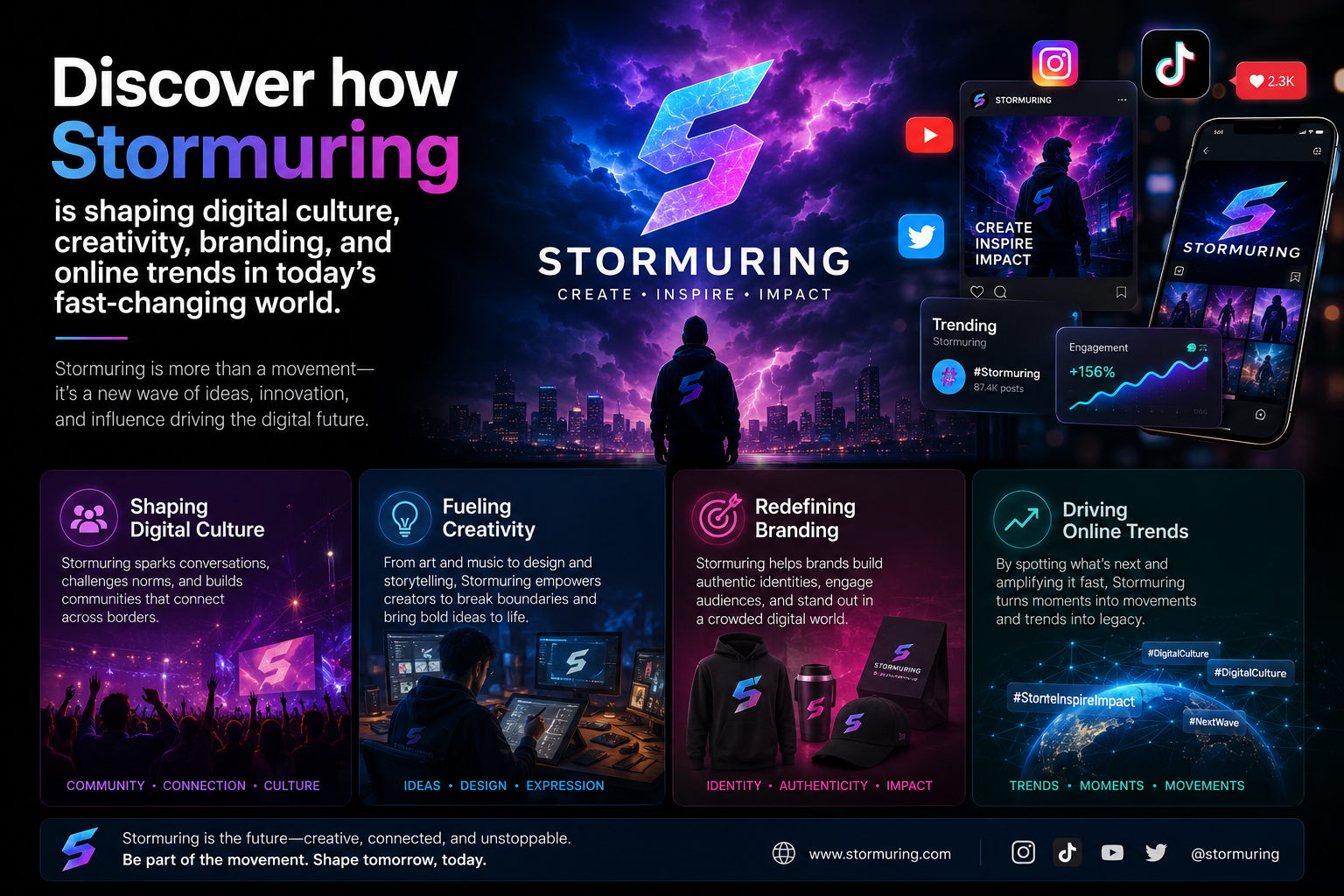
The digital world changes at a remarkable pace, yet only a few concepts manage to capture attention in a way that feels both innovative and culturally meaningful. Stormuring has steadily become one of those terms that sparks curiosity across creative communities, online discussions, branding circles, and trend-focused platforms. While the word itself may sound futuristic, its growing relevance reflects a deeper shift in how people connect with ideas, identity, and digital expression.
In recent years, internet culture has evolved from simple content sharing into a layered ecosystem of visual storytelling, personal branding, lifestyle inspiration, and immersive communication. Within this landscape, Stormuring has emerged as a recognizable concept associated with originality, dynamic engagement, and modern creativity. It represents more than a passing trend because it touches multiple areas of digital life, from artistic direction and design aesthetics to community influence and online behavior.
What makes this movement particularly fascinating is the flexibility attached to it. Different creators, entrepreneurs, and digital enthusiasts interpret it in their own ways. Some associate it with bold creative experimentation, while others view it as a philosophy centered on reinvention and momentum. This adaptability has helped the idea resonate with audiences who are constantly searching for fresh experiences in an overcrowded online environment.
The popularity of modern digital identities has also played a significant role in the rise of this concept. People no longer engage online merely as consumers of information. They actively shape narratives, curate experiences, and influence trends through content, visuals, and conversation. In many ways, Stormuring symbolizes this shift toward more intentional and emotionally engaging digital interaction.
As online audiences become increasingly selective, authenticity and originality now hold more value than polished perfection. This cultural transition has created space for ideas that emphasize personality, experimentation, and creative energy. The rise of immersive digital experiences, interactive communities, and visually driven platforms has only accelerated the influence of these evolving creative movements.
A well-known quote from media strategist Douglas Rushkoff captures the spirit behind this transformation: “Program or be programmed.” The statement reflects how modern digital culture rewards those who shape trends instead of merely following them. That mindset aligns closely with the growing interest surrounding emerging creative concepts that challenge conventional online behavior.
The influence of internet culture can also be seen in how businesses approach branding today. Traditional advertising methods no longer dominate attention spans the way they once did. Instead, audiences respond more strongly to emotionally resonant storytelling, relatable personalities, and visually compelling experiences. This shift has encouraged companies and creators alike to embrace modern creative identities that feel energetic, adaptable, and culturally aware.
The broader appeal of Stormuring lies in its ability to bridge multiple creative disciplines. It can connect design, lifestyle trends, content creation, fashion aesthetics, digital marketing, and even entertainment culture under a single evolving idea. This fluidity gives it staying power because it continuously adapts to changes in audience behavior and technological advancement.
Digital communities are especially important in sustaining movements like this. Online spaces built around creativity and collaboration often become breeding grounds for new ideas, trends, and cultural symbols. When communities rally around a concept that encourages originality and expression, it naturally gains visibility and momentum across platforms.
Another reason for the growing attention is the emotional dimension tied to modern creative culture. Audiences increasingly seek experiences that inspire excitement, aspiration, and personal connection. Rather than focusing solely on information, contemporary digital culture emphasizes mood, identity, and storytelling. That emotional layer helps explain why certain concepts resonate more deeply than others.
The influence of visual culture cannot be ignored either. Platforms centered on images, short-form videos, and immersive media have reshaped how trends spread globally. A strong aesthetic identity can now elevate an idea into mainstream awareness within a short period of time. Concepts associated with innovation, creativity, and bold expression naturally thrive in these environments.
The modern digital landscape also rewards adaptability. Trends rise and fade quickly, making flexibility essential for creators and brands hoping to remain relevant. The evolving nature of this movement reflects that reality. Instead of remaining static, it continues to absorb new influences and reinterpret itself across different creative sectors.
Below is a table highlighting some of the key characteristics associated with contemporary digital creative movements and how they shape online engagement.
| Element | Influence on Digital Culture | Impact on Audiences |
|---|---|---|
| Visual Identity | Creates memorable branding and aesthetics | Encourages emotional connection |
| Community Engagement | Builds loyal online communities | Increases interaction and trust |
| Authentic Storytelling | Makes content feel relatable | Strengthens audience loyalty |
| Creative Experimentation | Introduces fresh trends and ideas | Keeps digital spaces exciting |
| Personal Branding | Shapes online identity | Expands influence and recognition |
| Interactive Media | Enhances user participation | Improves retention and engagement |
This transformation of online culture reflects a broader societal shift toward creativity-driven communication. People are drawn to experiences that feel immersive, expressive, and emotionally engaging. The increasing visibility of Stormuring illustrates how digital culture continues evolving beyond simple entertainment into a more dynamic form of identity and community building.
Modern culture has become deeply intertwined with digital communication, and this relationship continues to redefine how people express themselves. Social platforms, visual media, and interactive experiences now shape public perception at an unprecedented speed. The emergence of creative concepts tied to innovation and individuality reflects a broader cultural movement toward expressive digital lifestyles.
In earlier stages of internet culture, online communication focused heavily on functionality. People used platforms primarily for information exchange, networking, or entertainment. Over time, however, digital spaces transformed into environments where identity and creativity became central. Users began curating visual aesthetics, storytelling styles, and community interactions that reflected personal values and aspirations.
This cultural shift created fertile ground for ideas centered on originality and momentum. Audiences increasingly gravitated toward trends that felt emotionally charged, visually distinctive, and creatively bold. In that environment, concepts associated with reinvention naturally gained traction among creators, entrepreneurs, and digital trendsetters.
One notable aspect of this evolution is the blending of entertainment with self-expression. Online audiences no longer separate creativity from daily interaction. Lifestyle content, fashion inspiration, digital art, travel visuals, and motivational storytelling now coexist seamlessly across social platforms. This integration has helped shape a more immersive and emotionally driven internet culture.
The influence of younger generations cannot be overlooked in this transformation. Digital natives grew up surrounded by rapidly evolving technology and social media ecosystems. As a result, they value adaptability, creativity, and authenticity more than rigid corporate messaging. Their preferences continue shaping the direction of online trends and cultural movements.
Visual storytelling has become especially powerful in this context. Images, short-form videos, and interactive graphics communicate emotions faster than traditional text-heavy content. This explains why visually dynamic concepts resonate so strongly in modern digital culture. A compelling aesthetic can instantly establish recognition and emotional appeal across global audiences.
Creative communities also contribute significantly to the spread of cultural ideas. Online groups centered around design, lifestyle, fashion, gaming, music, and digital entrepreneurship often act as catalysts for emerging trends. These communities amplify innovative concepts through collaboration, reinterpretation, and shared enthusiasm.
Media theorist Marshall McLuhan famously said, “The medium is the message.” That observation feels particularly relevant in today’s digital landscape, where the format of communication often shapes audience perception as much as the content itself. Interactive videos, immersive visuals, and curated aesthetics now influence how ideas are understood and shared.
Modern branding strategies have adapted accordingly. Businesses increasingly focus on creating experiences rather than simply promoting products. Emotional storytelling, immersive visuals, and relatable personalities now outperform purely promotional messaging. This approach aligns closely with the broader movement toward creative and culturally resonant digital engagement.
The rise of influencer culture has further accelerated this transformation. Influencers operate as modern storytellers who shape trends, aesthetics, and consumer preferences through highly personalized content. Their ability to blend authenticity with aspiration makes them influential figures within contemporary digital ecosystems.
At the same time, audiences have become more selective about the content they consume. Overexposure to repetitive marketing has increased demand for originality and meaningful experiences. This change encourages creators and brands to experiment with fresh ideas and more emotionally engaging forms of communication.
Technology continues pushing these cultural changes forward. Advances in editing tools, mobile devices, streaming platforms, and immersive media have democratized creativity. Individuals now have access to resources that were once limited to large production companies, allowing independent creators to compete on a global scale.
The pace of digital trend cycles has also intensified. Concepts can rise from niche communities to mainstream popularity within days. While this creates opportunities for rapid visibility, it also increases pressure to remain adaptable and culturally aware. Successful movements often survive because they evolve alongside audience interests instead of remaining static.
Another important development is the blending of physical and digital identity. Online personas increasingly influence real-world fashion choices, career opportunities, social relationships, and lifestyle preferences. This interconnectedness has elevated the significance of digital self-expression in everyday life.
Creativity now functions as a form of social currency. Individuals who consistently present compelling ideas, visuals, or narratives often gain recognition and influence within online communities. This reality reinforces the value of innovation and originality across modern digital culture.
The entertainment industry has also embraced these changes. Music artists, filmmakers, fashion labels, and gaming brands frequently integrate immersive digital strategies into their campaigns. Audiences expect experiences that feel interactive, visually rich, and emotionally engaging rather than passive or one-dimensional.
Cultural movements driven by creativity tend to thrive because they reflect broader emotional needs. People seek inspiration, connection, and identity within increasingly complex digital environments. Concepts associated with energy, reinvention, and expressive individuality naturally resonate in this context.
The continuing evolution of online culture suggests that creativity-centered movements will remain influential for years to come. As digital spaces become even more immersive and interconnected, audiences will likely continue embracing experiences that combine authenticity, visual storytelling, and emotional depth.
The growing influence of Stormuring reflects a larger cultural appetite for ideas that combine energy, creativity, and modern relevance. In a world flooded with repetitive content, audiences naturally gravitate toward concepts that feel fresh and emotionally engaging. This explains why dynamic creative identities continue gaining momentum across digital platforms and cultural communities.
One of the strongest qualities associated with this movement is adaptability. Rather than being confined to a single niche or industry, it can connect with multiple creative fields simultaneously. Designers, digital creators, marketers, entrepreneurs, and lifestyle influencers often interpret the concept differently, which gives it unusual flexibility and broad cultural reach.
Innovation plays a major role in sustaining online relevance today. Audiences quickly lose interest in predictable formats and overly polished branding that lacks emotional connection. Modern digital culture rewards experimentation, personality, and immersive storytelling. Concepts that embody these traits naturally stand out within crowded online spaces.
Creative momentum also depends heavily on emotional resonance. People remember experiences that inspire curiosity, excitement, or aspiration. Strong visual storytelling, engaging narratives, and distinctive aesthetics help build lasting impressions that audiences continue sharing and discussing across platforms.
Another reason this movement resonates is its alignment with the modern creator economy. Independent creators now shape trends more effectively than traditional institutions in many areas of culture. Through videos, visual content, podcasts, blogs, and social communities, creators build loyal audiences around authenticity and originality rather than corporate structure alone.
The shift toward personal branding has further amplified these dynamics. Online audiences often connect more deeply with individuals who present a recognizable creative identity. Consistency in tone, visuals, and storytelling helps establish trust and memorability, both of which are essential in fast-moving digital environments.
Visual culture remains central to online momentum. Platforms built around short-form media and immersive imagery encourage rapid trend circulation. A compelling aesthetic can transform a niche idea into a globally recognized movement almost overnight. Creative energy and strong visual presentation often determine whether an idea gains traction or fades into obscurity.
Entrepreneurial culture has also embraced these evolving creative values. Startups and emerging brands increasingly prioritize storytelling, emotional connection, and community engagement over traditional advertising tactics. Consumers now expect brands to feel relatable, expressive, and culturally aware rather than distant or purely transactional.
Marketing strategist Seth Godin once observed, “People do not buy goods and services. They buy relations, stories, and magic.” That perspective perfectly captures the emotional economy driving modern digital culture. Experiences and narratives now hold as much value as products themselves.
The influence of immersive media further supports this trend. Interactive videos, live streaming, virtual communities, and visually rich storytelling create deeper audience participation. Instead of passively consuming information, people increasingly want to feel involved in the experiences they encounter online.
Community-building remains another essential factor behind lasting digital relevance. Online communities help ideas evolve through collaboration and reinterpretation. Members contribute their own perspectives, visuals, and experiences, allowing concepts to grow organically rather than relying solely on centralized promotion.
Contemporary audiences also value cultural fluidity. They move rapidly between interests, aesthetics, and digital environments, which favors concepts capable of adapting to multiple trends and creative spaces. This flexibility allows modern movements to maintain visibility even as internet culture changes quickly.
The rise of lifestyle-centered content has contributed to this broader shift as well. People increasingly seek inspiration in areas such as travel, wellness, fashion, productivity, and personal growth. Creators who blend these elements into cohesive digital identities often attract stronger engagement and long-term audience loyalty.
Another significant factor is the emotional fatigue caused by constant online noise. Audiences are exposed to endless streams of information every day, making emotionally engaging content more valuable than ever. Creativity that feels authentic and immersive cuts through that saturation more effectively than generic messaging.
Digital aesthetics have become powerful cultural markers in their own right. Color palettes, editing styles, typography, visual composition, and mood-driven storytelling all contribute to how audiences interpret ideas and identities online. Distinctive creative direction often determines whether content becomes memorable.
Collaboration culture has also transformed how trends spread. Creators from different industries frequently work together, blending art, technology, fashion, music, and branding into hybrid experiences that appeal to diverse audiences. This cross-disciplinary creativity fuels continuous innovation within online communities.
The relationship between creativity and technology continues evolving rapidly. Emerging platforms, immersive experiences, and interactive media formats constantly reshape audience expectations. Concepts associated with adaptability and innovation remain well-positioned within these changing digital ecosystems.
Another important aspect is the growing emphasis on authenticity. Audiences increasingly recognize when content feels overly manufactured or disconnected from genuine expression. Movements built around emotional honesty and creative individuality often establish deeper trust with followers and communities.
The influence of global connectivity cannot be underestimated either. Digital platforms allow trends to spread across borders almost instantly, blending cultural influences in ways that were previously impossible. Creative ideas now evolve through global collaboration rather than isolated regional development.
As modern internet culture continues expanding, the importance of expressive identity and meaningful storytelling will likely increase even further. Movements centered on innovation, emotional resonance, and community-driven creativity remain highly relevant because they reflect the deeper desires shaping digital interaction today.
Visual identity has become one of the most powerful tools in modern digital communication. In an online environment where attention spans are increasingly short, visuals often determine whether audiences engage with content or scroll past it. Strong visual storytelling creates emotional recognition faster than text alone, making aesthetics essential for building memorable digital experiences.
The rise of image-driven platforms transformed the importance of design across industries. Content creators, entrepreneurs, and lifestyle brands now compete in highly visual environments where presentation directly affects visibility and engagement. Colors, typography, editing styles, and composition collectively shape audience perception within seconds.
A consistent aesthetic identity also helps establish trust. Audiences are more likely to remember creators or brands that maintain recognizable visual themes across platforms. Consistency creates familiarity, and familiarity often strengthens emotional connection over time.
Modern online culture places enormous value on mood and atmosphere. Visual storytelling is no longer limited to showcasing products or information. Instead, it communicates emotions, aspirations, and personality. A carefully crafted aesthetic can instantly convey confidence, creativity, sophistication, or energy without requiring extensive explanation.
This shift explains why visual direction has become central to digital branding strategies. Companies increasingly invest in immersive campaigns that feel emotionally engaging rather than purely promotional. Audiences respond more positively to experiences that inspire feelings instead of simply presenting facts.
Photography and video editing trends have also evolved significantly. Minimalist styles, cinematic visuals, nostalgic color grading, and immersive motion graphics frequently dominate online spaces because they create emotional depth. These stylistic choices help content stand out within crowded feeds.
Fashion and lifestyle industries provide clear examples of how visual identity shapes cultural influence. Successful brands rarely rely on products alone. Instead, they build entire worlds around specific aesthetics and emotional experiences. Audiences become loyal not just to items, but to the feeling associated with the brand.
Creative director Paul Rand once said, “Design is the silent ambassador of your brand.” That statement highlights the profound influence visuals have on communication and perception. Strong design speaks before words even appear.
Social media algorithms also favor visually engaging content. Platforms prioritize material that captures attention quickly and encourages interaction. This creates additional incentive for creators and businesses to refine their aesthetic presentation continuously.
The popularity of short-form video content further intensified this trend. Quick visual storytelling requires immediate emotional impact, making strong design and editing even more important. Creators who master pacing, transitions, visual rhythm, and atmosphere often experience greater audience retention.
Visual identity extends beyond social media as well. Websites, packaging, advertisements, presentations, and digital products all rely on cohesive design language to create trust and recognition. A fragmented aesthetic can weaken credibility, while a unified visual approach strengthens brand identity.
Personal branding increasingly depends on visual consistency too. Public figures, entrepreneurs, and influencers often develop distinctive visual signatures that audiences instantly associate with their identity. This can include editing styles, wardrobe choices, typography preferences, or even recurring color schemes.
The rise of mobile-first browsing habits also changed design priorities. Content must now look compelling on smaller screens while remaining clear and engaging. Simplicity, readability, and visual impact have become essential components of effective digital communication.
Emotional storytelling remains at the heart of successful visual identity. Audiences connect with content that evokes feelings rather than simply displaying information. Visuals capable of creating mood and atmosphere often generate stronger engagement and longer-lasting impressions.
Cultural trends frequently emerge through visual experimentation. Internet aesthetics evolve rapidly, influenced by music, fashion, film, gaming, and online communities. Creative individuals who adapt to these changes while maintaining authenticity often establish stronger digital influence.
Interactive experiences are becoming more important as well. Audiences increasingly expect participation rather than passive observation. Dynamic visuals, immersive interfaces, and interactive storytelling help create deeper engagement and stronger community involvement.
Technology continues expanding creative possibilities. Advanced editing tools, augmented reality features, and immersive media experiences allow creators to produce highly sophisticated visuals without massive budgets. This democratization of creativity encourages innovation across digital spaces.
Another significant trend is the blending of nostalgia with modern aesthetics. Retro-inspired visuals frequently gain popularity because they create emotional familiarity while still feeling contemporary. This combination of past and present often resonates strongly with online audiences.
As digital environments become more saturated, distinctive visual identity will remain crucial for standing out. Creativity, emotional resonance, and aesthetic consistency are no longer optional advantages. They are essential components of successful communication in modern online culture.
The internet once celebrated polished perfection above all else. Highly edited visuals, carefully scripted branding, and flawless presentation dominated online spaces for years. Over time, however, audiences began craving something more genuine. The shift toward authenticity transformed digital culture and reshaped how creators, businesses, and communities connect with people online.
Modern audiences are highly aware of artificial presentation. Endless exposure to curated content has made viewers more selective about what feels real and emotionally relatable. People increasingly value honesty, personality, and emotional transparency over unattainable perfection.
This cultural transition reflects broader emotional fatigue within online environments. Constant comparison and unrealistic standards created pressure for both creators and audiences alike. As a result, more individuals now appreciate content that feels natural, personal, and imperfectly human.
Authenticity strengthens trust, which remains one of the most valuable forms of currency in digital spaces. Audiences are more likely to support creators and brands that appear sincere and relatable. Genuine storytelling often builds deeper emotional loyalty than highly polished but emotionally distant content.
The popularity of behind-the-scenes content demonstrates this shift clearly. People enjoy seeing the process behind creativity, entrepreneurship, and lifestyle experiences. Raw moments and personal insights create emotional intimacy that highly controlled presentations often lack.
This does not mean quality no longer matters. Strong visuals, professional communication, and thoughtful branding remain important. However, audiences now expect these elements to coexist with emotional honesty rather than replace it.
Lifestyle creators and influencers especially benefit from authenticity-driven engagement. Followers often form stronger connections when creators openly discuss challenges, growth, and personal experiences instead of presenting an unrealistic image of constant perfection.
Author Brené Brown captured this idea perfectly when she said, “Authenticity is the daily practice of letting go of who we think we’re supposed to be and embracing who we are.” That perspective aligns closely with evolving digital culture, where emotional relatability increasingly shapes audience loyalty.
Brands have adapted to this reality as well. Consumers respond more positively to businesses that communicate with personality and transparency. Modern marketing often emphasizes storytelling, shared values, and emotional connection instead of overly corporate messaging.
Community-driven platforms amplify authentic voices particularly well. Online discussions, live streaming, and interactive content allow audiences to engage directly with creators and brands. This interaction creates stronger emotional relationships than traditional one-way advertising.
The rise of conversational communication styles also reflects changing audience expectations. Formal corporate language often feels disconnected in modern digital spaces. Casual yet informed communication tends to resonate more effectively because it feels approachable and human.
Another reason authenticity matters is the increasing importance of mental well-being within digital culture. Overly curated online environments can contribute to unrealistic expectations and emotional exhaustion. Genuine content often feels refreshing because it reflects real experiences rather than unattainable ideals.
Creative experimentation benefits from this shift too. When audiences prioritize emotional connection over flawless execution, creators feel more comfortable exploring unique ideas and unconventional styles. This encourages innovation and diversity within online culture.
The relationship between authenticity and community building is especially significant. Loyal communities often form around shared experiences, values, and emotional understanding. Genuine interaction fosters stronger engagement than purely promotional communication.
Digital storytelling has evolved accordingly. Modern audiences prefer narratives that feel immersive and emotionally grounded. Personal experiences, honest reflections, and relatable moments create memorable connections that purely polished branding struggles to achieve.
Transparency also plays a growing role in consumer trust. People increasingly research the values and practices behind brands before supporting them. Businesses that communicate openly often establish stronger credibility and long-term loyalty.
The entertainment industry mirrors these broader trends. Audiences now gravitate toward artists, personalities, and creators who appear emotionally accessible rather than excessively manufactured. Vulnerability and individuality frequently generate stronger fan engagement.
As online culture continues evolving, authenticity will likely remain one of its defining values. Perfection may attract temporary attention, but genuine emotional connection creates lasting influence. In a saturated digital environment, honesty and originality stand out more powerfully than polished imitation ever could.
Creative communities continue shaping the future of digital culture in powerful ways. Online spaces built around collaboration, storytelling, and artistic expression have evolved into influential ecosystems capable of launching global trends within days. These communities are no longer niche corners of the internet. They now influence mainstream entertainment, branding, fashion, entrepreneurship, and social conversation.
One reason creative communities thrive is their emphasis on participation rather than passive consumption. Members contribute ideas, visuals, discussions, and reinterpretations that collectively strengthen cultural movements. This collaborative energy keeps digital trends evolving organically instead of relying solely on centralized promotion.
The future of online influence will likely depend heavily on community trust. Audiences increasingly prefer creators and brands that engage authentically with their followers rather than treating them as passive consumers. Genuine interaction fosters loyalty and long-term engagement in ways traditional advertising cannot replicate.
Digital communities also encourage experimentation. Creators often test new styles, aesthetics, and storytelling approaches within supportive online spaces before those ideas reach broader audiences. This process accelerates innovation and helps emerging trends gain visibility more quickly.
Technology will continue expanding these possibilities. Immersive experiences, virtual environments, interactive media, and evolving communication platforms will reshape how communities interact and create together. As digital tools become more sophisticated, creative collaboration may become even more dynamic and globally interconnected.
Another important factor is the growing value of niche influence. Large-scale popularity is no longer the only path to success online. Smaller communities built around specific interests often generate stronger engagement and deeper emotional loyalty than massive but less connected audiences.
Cultural analyst Henry Jenkins once wrote, “Consumers are no longer simply audiences; they are participants.” That observation perfectly reflects the participatory nature of modern internet culture, where audiences actively shape trends rather than merely observing them.
The future of branding will also become increasingly community-oriented. Businesses that successfully integrate themselves into creative culture often perform better than those relying solely on conventional marketing campaigns. Community engagement creates emotional investment that traditional promotion rarely achieves.
Visual innovation will remain central to digital influence as well. Audiences continue gravitating toward immersive and emotionally compelling experiences. Strong design, storytelling, and aesthetic consistency will likely become even more important as competition for attention intensifies.
Education and knowledge-sharing communities are also growing rapidly. Online spaces focused on creativity, entrepreneurship, design, and lifestyle development increasingly function as collaborative learning environments. Members exchange ideas, strategies, and inspiration in ways that support both personal growth and collective innovation.
The blending of entertainment and commerce will likely continue accelerating. Creators now launch products, brands, and experiences directly through their communities, bypassing many traditional gatekeepers. This shift gives audiences a stronger sense of participation and emotional ownership.
Cross-cultural collaboration is another defining feature of modern digital communities. Online platforms allow creators from different backgrounds and regions to share influences and ideas instantly. This global exchange enriches creativity and broadens cultural perspectives within digital spaces.
Sustainability and social awareness may also shape future creative movements. Audiences increasingly support brands and creators whose values align with broader cultural concerns. Emotional authenticity combined with meaningful purpose often strengthens long-term community loyalty.
The pace of change will remain rapid. Trends, aesthetics, and platforms will continue evolving quickly, requiring creators and businesses to remain adaptable. Flexibility and willingness to experiment will likely determine which communities maintain relevance over time.
At the same time, deeper emotional experiences may become increasingly valuable. As digital saturation grows, audiences will likely prioritize quality of connection over sheer quantity of content. Immersive storytelling and meaningful interaction may outperform superficial viral trends in the long run.
The future of online influence will ultimately revolve around human connection. Technology may shape the tools and platforms people use, but creativity, emotion, and shared experience will continue driving digital culture forward. Communities capable of fostering those elements will remain highly influential in the years ahead.
The modern digital landscape continues evolving in ways that prioritize creativity, emotional connection, and immersive storytelling. Concepts associated with innovation and expressive identity resonate strongly because audiences increasingly seek experiences that feel authentic, visually compelling, and culturally relevant. The rise of Stormuring reflects this broader transformation within online culture and creative communication.
From visual identity and personal branding to community engagement and authentic storytelling, every aspect of digital interaction now carries deeper emotional significance. Audiences no longer respond solely to polished presentation or traditional marketing. They connect more deeply with originality, relatable experiences, and meaningful creative expression.
As technology and culture continue advancing together, creative communities will remain at the center of digital influence. The future belongs to ideas capable of adapting, inspiring, and building genuine emotional relationships with audiences across platforms and industries. In this environment, movements driven by creativity and cultural momentum are likely to maintain lasting relevance.
The continuing evolution of online culture suggests that expressive digital identities and emotionally engaging experiences will only become more important. People want inspiration, connection, and individuality in the content they consume and the communities they join. That desire ensures that dynamic creative movements will continue shaping the future of digital communication for years to come.
Stormuring represents a growing creative movement associated with innovation, visual storytelling, personal expression, and cultural momentum within digital spaces. It reflects the modern desire for originality and emotionally engaging online experiences.
Authenticity matters because audiences increasingly value genuine emotional connection over unrealistic perfection. Honest communication, relatable storytelling, and transparent branding help creators and businesses build trust and stronger community relationships.
Visual identity shapes first impressions, emotional engagement, and brand recognition. Strong aesthetics help content stand out in crowded digital spaces while creating memorable experiences that audiences are more likely to share and remember.
Creative communities encourage collaboration, experimentation, and active participation. Their ability to rapidly spread ideas and trends across platforms makes them powerful drivers of digital culture and modern consumer behavior.
Brands can remain relevant by focusing on authenticity, adaptability, visual storytelling, and community engagement. Audiences respond more positively to experiences that feel emotionally meaningful and culturally aware rather than purely promotional.
Storytelling creates emotional connection and helps audiences relate to creators, brands, and ideas on a deeper level. Strong narratives make content more memorable, engaging, and impactful across modern digital platforms.